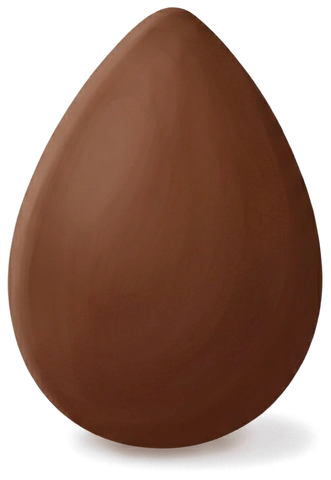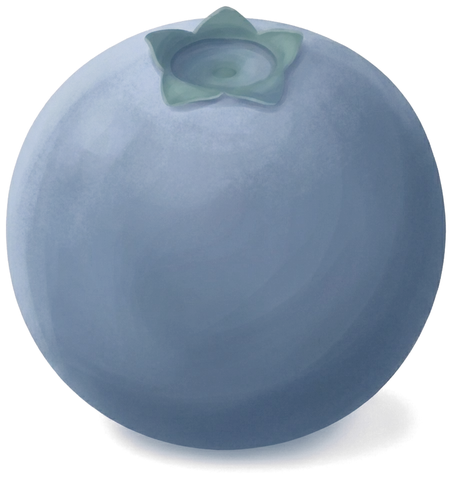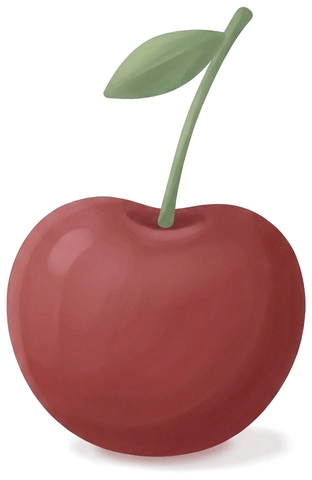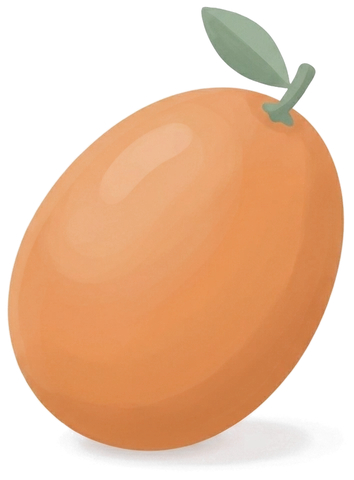
The first trimester runs from the first day of your last period to the end of week 13. Very little shows on the outside, yet it is when your baby's heart, brain and every organ first take shape, and when many people feel at their most tired and queasy.
Weeks 1 to 3 are counted from your last period, before you were pregnant, which is why the week-by-week pages start at week 4.
Your baby, week by week
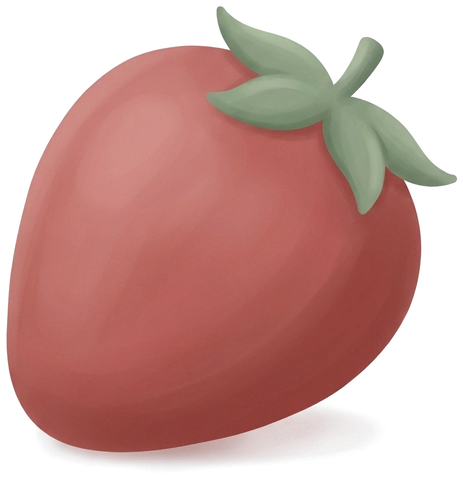
A simple tube that will become the heart is forming, and may begin to beat around now.
The heart is beating fast, and can sometimes be seen on an early ultrasound from around now.
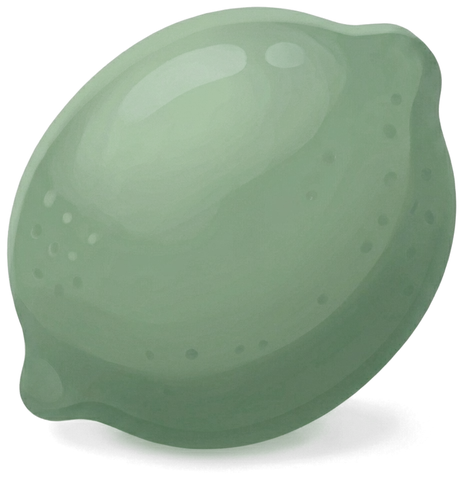
They're starting to form, still joined by webbing for now.
The kidneys, liver and brain are formed and starting to do their jobs.
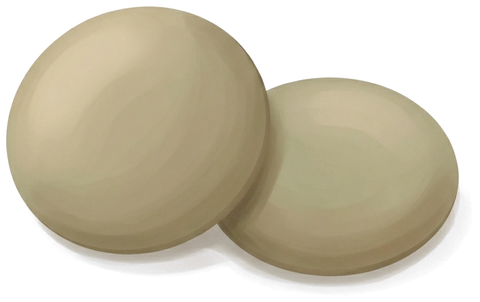
Your baby can curl their fingers, open their mouth and kick, though you can't feel it yet.
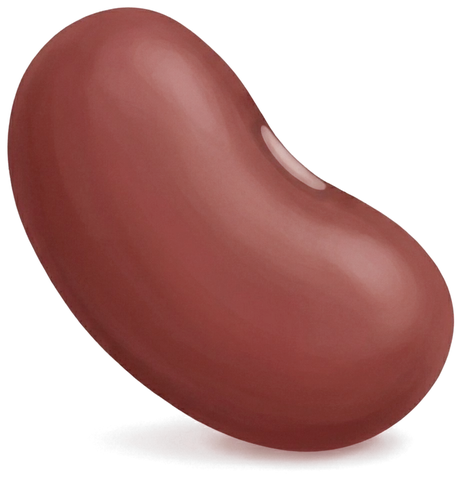
The patterns that will become unique fingerprints are starting to form.
What you might notice
- Nausea and sickness, at any time of day. For many it peaks around weeks 8 to 10 and eases in the second trimester.
- Deep tiredness that can feel out of all proportion. It's often at its heaviest around week 8.
- Tender, fuller breasts, often one of the very first signs.
- Needing to pee more often, as hormones and blood flow change.
- Food aversions, cravings and a stronger sense of smell. Foods you loved can suddenly be impossible.
- Feeling emotional, from hormones, tiredness, and the news itself.
- No symptoms at all. That can be normal too. Symptoms come and go, and some people barely feel any.
Pregnancy symptoms, week by week →
Appointments and tests
- Weeks 6–10
- Your first appointment, usually the longest. It often includes an early ultrasound to confirm dates and a heartbeat.
- Early visits
- Your health and family history, routine blood tests, and optional carrier screening.
- Weeks 10–12
- First-trimester screening and genetic testing options are usually discussed. They're your choice.
- Until week 12
- Most guidance recommends taking folic acid every day.
What happens at each prenatal visit →
Call your midwife, doctor or early pregnancy unit today if
- You have bleeding, or cramping pain low in your belly
- You have sharp pain on one side, pain in the tip of your shoulder, or you feel faint
- You're being sick so often you can't keep fluids down
- You have a fever, or it burns or stings when you pee
If the pain is severe or you feel faint, call emergency services.